Choosing the Right and Best Dock Type for Your Miami Property: Fixed, Floating or Hybrid
1/15/2026
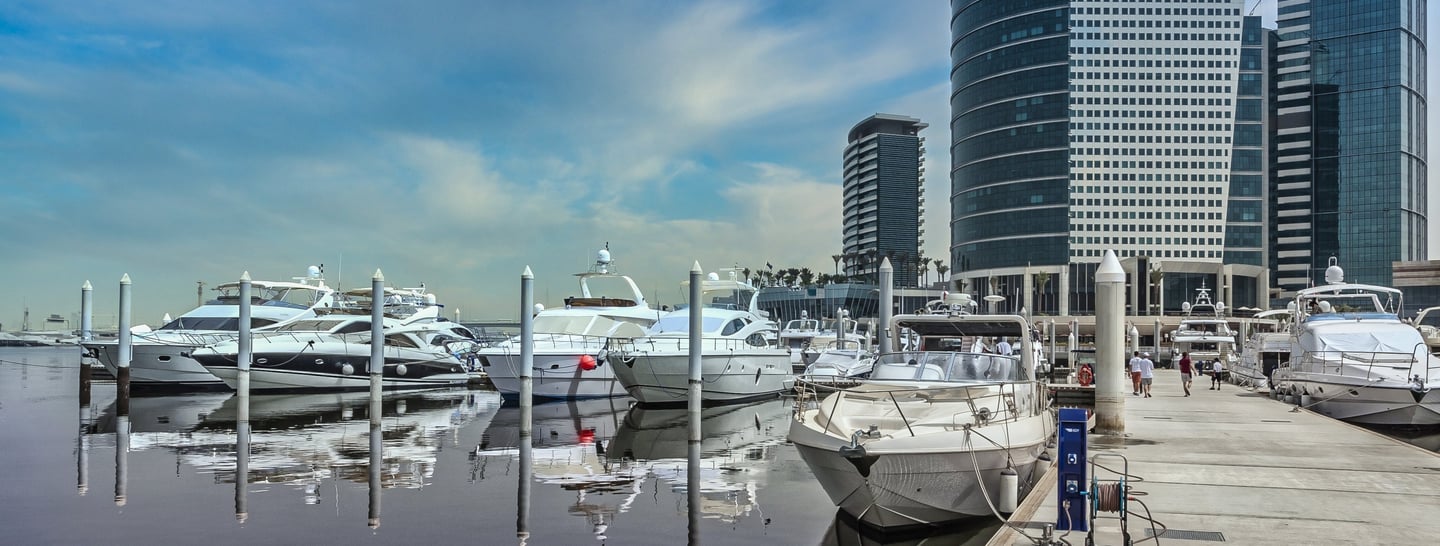
Enhancing waterfront property in Miami often starts with selecting the right dock. Whether you’re a homeowner or a marina operator, choosing the best dock type Miami offers is a critical decision. The right dock balances durability, tidal considerations, maintenance, and aesthetics, while meeting local marine construction standards. From fixed docks to floating or hybrid systems, understanding your options ensures long-term functionality and value.
Working with experienced seawall repair contractors and marine construction services can simplify the process, ensuring proper dock and boat lift installations that align with your seawall and local code requirements.
Understanding Dock Types for Miami Waterfront Properties
When evaluating the best dock type Miami can accommodate, it’s important to understand the main options: fixed, floating, and hybrid systems. Each has advantages and limitations depending on water depth, tides, property layout, and durability requirements.
Fixed Dock
Fixed docks are supported by pilings driven into the seabed, creating a stable, permanent structure. They are ideal for areas with consistent water levels and minimal tidal fluctuations.
Advantages:
High durability in storm-prone areas
Minimal movement, providing a secure footing
Compatible with heavy dock and boat lift installations
Disadvantages:
Less adaptable to changing water levels
Installation can be more expensive
Requires significant marine construction services for compliance with seawall standards
Seawall construction companies in Miami often recommend fixed docks when long-term stability is a priority. Emergency seawall repair and marine services may also coordinate with fixed dock installation to ensure protection against flooding and storm damage.
Floating Dock
Floating docks rise and fall at the water level, making them ideal for areas with significant tidal changes.
Floating Dock Pros/Cons:
Pros:
Adapts to water level changes automatically
Typically easier and faster to install
Reduces stress on pilings in soft seabed
Cons:
Can be less stable in storm conditions
Requires periodic maintenance of floats and connections
May not support very heavy dock and boat lift installations
Homeowners considering floating docks should also account for tidal considerations and consult marine construction services for materials and design that withstand Miami’s weather conditions.
Hybrid Systems
Hybrid systems combine features of fixed and floating docks, offering both stability and adaptability. These systems often feature fixed pilings with floating sections attached, providing resilience against tides without compromising structural integrity.
Advantages:
Adaptable to fluctuating water levels
Offers enhanced durability compared to fully floating docks
Can accommodate larger boats and dock equipment
Disadvantages:
More complex and costly to install
Requires expert design and marine construction services
Maintenance can be more involved than a fixed dock
Hybrid systems are becoming popular in Miami as property owners look for a balance between durability, adaptability, and long-term resilience.
Materials and Durability Considerations
Selecting the right materials is critical for all dock types. Miami’s waterfront conditions—saltwater, storms, and tidal changes—can accelerate wear and corrosion.
Common Materials:
Pressure-treated wood: Affordable and strong, but requires regular maintenance
Composite decking: Low maintenance and resistant to rot and corrosion
Aluminum: Lightweight, corrosion-resistant, and ideal for floating or hybrid docks
Concrete: Extremely durable, often used in fixed dock pilings
Seawall repair contractors and marine construction services in Miami can advise on the best materials for your dock, ensuring long-term performance and compliance with resilience requirements. Proper material selection is especially important for dock and boat lift installations, which add weight and complexity to the structure.
Tidal Considerations for Miami Docks
Tidal fluctuations are a major factor when deciding between fixed, floating, and hybrid systems. Docks must remain functional at both high and low tides, and improperly designed structures can lead to safety hazards or damage over time.
Fixed docks require accurate elevation planning to avoid submersion during high tide or accessibility issues during low tide.
Floating docks naturally rise and fall with water levels, minimizing risk.
Hybrid systems can be engineered to optimize functionality across tidal ranges while maintaining stability.
Experienced marine construction services ensure tidal considerations are incorporated into the dock design, protecting your investment and integrating with seawall construction services for overall property resilience.
Maintenance and Long-Term Costs
Maintenance requirements vary significantly among dock types:
Fixed docks: Require inspection for wood rot, pilings, and corrosion; generally lower maintenance if materials are durable.
Floating docks: Need float inspections and mechanical joint maintenance; more flexible but slightly higher long-term upkeep.
Hybrid systems: Require combined maintenance strategies for both fixed and floating sections.
Engaging a seawall construction company that also provides emergency seawall repair and marine services in Miami, FL, ensures you have ongoing support for both preventive maintenance and urgent repairs.
Dock and Boat Lift Installations
Adding a boat lift increases both convenience and safety for your waterfront property. The type of dock influences lift compatibility:
Fixed docks handle heavy lifts well due to structural stability.
Floating docks may require specialized lift designs.
Hybrid systems offer flexibility but need careful integration with lift installations.
Professional marine construction services can manage dock and boat lift installations, ensuring compliance with tidal considerations and durability requirements.
How to Choose the Best Dock Type Miami Offers
Selecting the best dock type Miami property owners should consider:
Water depth and tidal range – Floating docks for high tides, fixed docks for stable water levels.
Storm resilience – Fixed and hybrid systems provide superior protection.
Maintenance capacity – Consider the long-term upkeep of materials.
Integration with existing seawalls – Collaborate with seawall repair contractors and construction companies.
Budget and long-term investment – Evaluate installation and lifecycle costs.
Taking the time to assess these factors ensures that your dock serves both functional and recreational needs while maximizing waterfront property value.
Conclusion
Choosing the right dock type for your Miami property involves evaluating tidal considerations, materials, durability, and long-term maintenance. Whether you opt for a fixed dock, floating dock, or hybrid system, working with professional marine construction services ensures proper dock and boat lift installations and compliance with seawall standards.
Protect your investment today by contacting a reliable seawall construction company or marine construction services in Miami for a consultation and installation plan tailored to your property.
Frequently asked questions
What is the best dock type Miami homeowners should consider?
The best dock type Miami depends on tidal fluctuations, storm resilience, and property layout. Fixed, floating, and hybrid systems all have pros and cons.
How do floating dock pros/cons compare to fixed docks?
Floating docks adapt to tides and are easier to install but can be less stable during storms, while fixed docks are durable but less flexible.
Can hybrid systems handle boat lift installations?
Yes, hybrid systems can support boat lifts, but professional marine construction services are recommended for proper integration.
How do tidal considerations affect dock selection in Miami?
Tides influence dock elevation and functionality; floating and hybrid systems offer adaptability, while fixed docks require precise planning.
What materials are recommended for Miami docks?
Aluminum, composite decking, pressure-treated wood, and concrete are commonly used for durability against saltwater, storms, and tides.
Services
Expert seawall repair, construction, and inspection services.
Contact
About
786-228-2116
© 2025. All rights reserved.