
Emergency Seawall Repair After Hurricane: What to Do First in Miami
Learn what to do first after a storm hits. Get expert emergency seawall repair in Miami—protect your property now. Call today for a fast inspection!
11/13/20255 min read
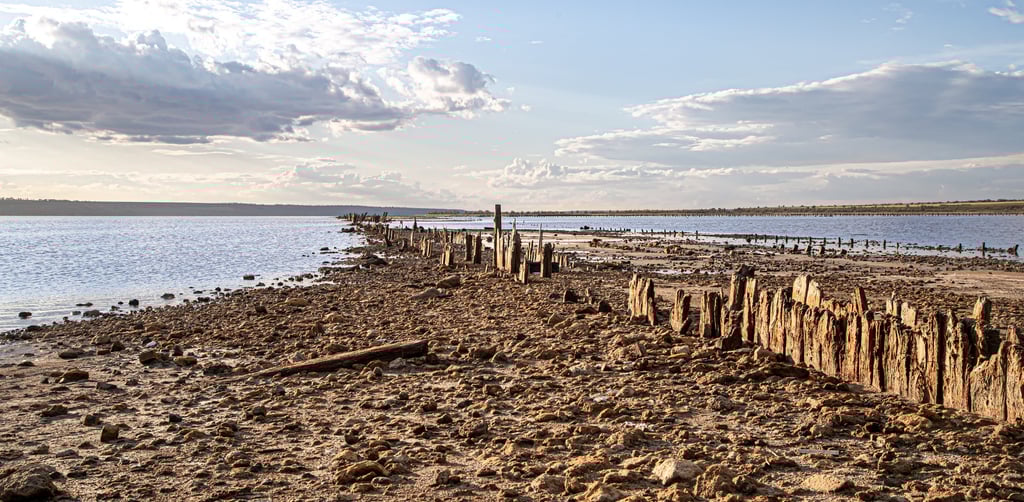
When hurricanes strike Miami, the damage to coastal homes can be devastating—especially to seawalls that defend properties from flooding and erosion. After the storm passes, emergency seawall repairs are vital to prevent further structural loss and safeguard your waterfront. Ignoring early warning signs can lead to collapsing walls, soil washouts, and costly property damage.
Whether your seawall has visible cracks or has partially collapsed, contacting professionals for emergency seawall repair in Miami ensures the issue is contained before it worsens. These repairs not only restore strength to your waterfront barrier but also help preserve your dock, landscaping, and nearby foundations.
This detailed guide explains what to do first after a hurricane, how to assess post-storm seawall damage, handle insurance claims, obtain emergency permits, and hire the right marine construction contractor for reliable long-term results.
Understanding Hurricane Damage to Seawalls
Seawalls serve as the first line of defense against coastal surges and flooding. But when a hurricane passes through Miami, these structures can experience tremendous stress from storm surges, high winds, and pounding waves.
Typical post-storm seawall damage includes:
Cracks in concrete or panels from repeated water pressure.
Tilting or displacement of wall segments due to soil erosion.
Voids or washouts forming behind the seawall, compromising stability.
Collapsed or undermined sections where the foundation has failed.
Even if your property appears intact at first glance, unseen internal damage may lead to rapid deterioration if left unaddressed. A prompt professional inspection is vital before resuming any dock or deck construction service on your property.
Step 1: Prioritize Safety Before Anything Else
After a hurricane, the area around your seawall may be unstable. Flooded ground, loose panels, or fallen debris pose serious risks. Before approaching the waterfront:
Avoid walking near the edge until it’s inspected.
Shut off nearby electrical connections, especially if you have a boat lift installation.
Keep children and pets away from damaged zones.
Your safety comes first. Once it’s secure, contact local seawall repair contractors who specialize in emergency response and can assess damage efficiently.
Step 2: Assess and Document the Damage
Before beginning any repair work, take clear photos and videos of all visible damage from different angles. This step is crucial not only for your marine construction contractor but also for insurance documentation.
Look for:
New or widened cracks along the seawall.
Bowed or leaning sections of concrete panels.
Soil settlement behind the seawall indicating water loss.
Exposed rebar or rust stains suggesting internal corrosion.
Having a professional inspection checklist ensures that every problem—both visible and hidden—is identified and recorded before repairs begin.
Step 3: Temporary Stabilization to Prevent Further Erosion
While waiting for full-scale repairs, it’s often necessary to stabilize the structure to prevent additional damage. Temporary stabilization techniques may include:
Sandbags or riprap to absorb wave energy.
Pumping or filling voids with flowable fill or grout.
Installing bracing to support weakened panels.
These emergency measures are short-term fixes designed to buy time until a complete seawall reconstruction or reinforcement can take place. An experienced seawall construction service can quickly deploy the right team to handle these urgent tasks safely and effectively.
Step 4: Notify Your Insurance Provider
Dealing with property insurance after a hurricane can be stressful, but it’s a necessary step in funding your repair project. Report your claim immediately and provide all photo evidence and inspection reports.
When filing, emphasize that the damage resulted from a natural disaster—this can help ensure you qualify for full coverage under your policy. Include documentation from your marine construction contractor or engineer to strengthen your claim.
If your policy covers additional structures, mention any damage to docks, lifts, or adjacent retaining walls as well.
Step 5: Secure Emergency Permits
In Miami, even emergency seawall repair often requires permits—though the process is expedited after hurricanes. The City of Miami and Miami-Dade County typically allow temporary authorization for immediate stabilization work, followed by full permits for reconstruction.
A licensed contractor can help you navigate these emergency permits efficiently. Avoid unlicensed workers offering quick, cheap repairs—they often skip compliance steps and use substandard materials that fail under the next storm’s pressure.
Step 6: Choose the Right Marine Construction Contractor
Your choice of contractor determines how well your seawall stands up to future hurricanes. Seek out professionals with proven experience in post-storm reconstruction and coastal engineering.
Ask potential seawall repair contractors about:
Their previous work on hurricane-damaged seawalls.
Materials and reinforcement methods they recommend.
Warranty options for both labor and materials.
The best contractors use marine-grade concrete, rebar, and tieback systems engineered for high-pressure conditions. Many companies offering seawall repair also provide integrated dock and deck construction service or boat lift installation, ensuring all waterfront elements are repaired cohesively.
Step 7: Plan for Permanent Repairs or Rebuild
Once temporary stabilization is complete and your insurance claim is processed, it’s time to begin permanent reconstruction. Depending on the extent of the post-storm seawall damage, repairs might include:
Replacing cracked panels or caps.
Installing new footings to prevent soil settlement.
Reinforcing tiebacks for better structural integrity.
Adding drainage systems to relieve hydrostatic pressure.
A complete rebuild may be necessary if structural failure is too extensive. Though this can be costly, a well-engineered replacement will protect your property for decades, reducing the need for future emergency repairs.
Step 8: Implement Safety and Maintenance Measures
Once your seawall is restored, take steps to prevent future damage. Consider:
Routine inspections before and after storm seasons.
Installing wave deflectors or splash guards.
Maintaining proper drainage behind the wall to reduce water pressure buildup.
These proactive measures help ensure your seawall remains resilient and ready for Miami’s unpredictable weather patterns.
Why Acting Fast Matters
Delaying emergency seawall repair in Miami can have serious consequences. Each high tide or rainfall can worsen erosion, increasing the risk of total collapse. Beyond structural loss, it may also lead to:
Shoreline loss or property encroachment.
Damage to nearby foundations or landscapes.
Safety hazards for pedestrians and boaters.
Immediate professional intervention protects not only your property but also your investment and peace of mind.
Partner with Trusted Local Experts
When the next storm hits, don’t face the aftermath alone. A licensed and experienced seawall construction service ensures all work meets Miami’s coastal regulations while providing durable, storm-resistant results. From quick inspections to full rebuilds, these specialists are your partners in restoring waterfront safety and stability.
Whether you need temporary fixes or long-term structural solutions, prompt action today can save thousands tomorrow.
Final Thought
Every minute counts after a hurricane. Quick, professional emergency seawall repair in Miami not only restores your property’s protection but ensures long-term stability. Reach out to your trusted seawall repair specialists today for a fast assessment and lasting peace of mind.
Frequently asked questions
How soon should I schedule emergency seawall repair after a hurricane?
As soon as possible. Delaying inspection or repair can lead to worsening erosion, voids, or panel collapse within days of heavy storm surge.
Can I perform minor repairs myself after a hurricane?
No. Even small cracks may signal deeper structural damage. Always hire licensed seawall repair contractors with experience in hurricane recovery.
Are temporary repairs enough to protect my property?
Temporary stabilization prevents further damage but should be followed by permanent reconstruction for lasting protection against future storms.
Does insurance cover emergency seawall repairs?
Most homeowner policies cover storm-related seawall damage, but coverage depends on your policy’s terms. Always document all damages for your claim.
How can I prevent seawall damage in future hurricanes?
Schedule regular inspections, maintain proper drainage, and work with a marine construction contractor to reinforce the structure before hurricane season.
Services
Expert seawall repair, construction, and inspection services.
Contact
About
786-228-2116
© 2025. All rights reserved.