
Seawall Repairs and Material Options: Concrete, Vinyl and Steel for Miami
Explore the best seawall material in Miami—concrete, vinyl, steel. Learn durability, costs, repairs, and hire experts today to protect your waterfront.
11/21/20253 min read
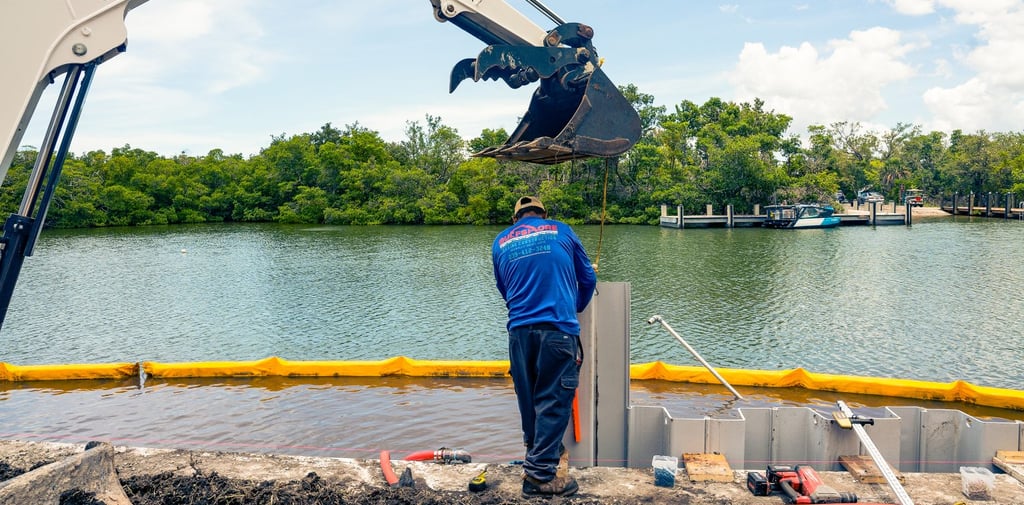
Seawall repairs are essential for property owners along Miami’s coastline, who face unique challenges from rising tides, hurricanes, and constant wave action threatening waterfront properties, docks, and marine structures.
Choosing the right seawall material in Miami is critical to protecting these valuable investments. A seawall does more than prevent erosion; it safeguards property, supports docks and decks, integrates boat lifts, and helps maintain waterfront integrity.
In this guide, we explore the most common seawall materials—concrete, vinyl, and steel—their advantages and disadvantages, cost considerations, and how professional seawall repair contractors and marine construction companies ensure long-lasting protection.
Understanding the Best Seawall Material in Miami
Choosing the best seawall material Miami depends on environmental conditions, property needs, and budget. High tide, wave action, and saltwater exposure can significantly affect material longevity. Consulting with a seawall construction company ensures that you select the right material and plan for ongoing repairs.
The right material should provide:
Durability against marine corrosion
Cost-effectiveness over time
Ease of integration with docks, decks, and boat lifts
Minimal maintenance requirements
Concrete Seawalls
Concrete is one of the most widely used materials in Miami due to its strength and long lifespan.
Pros:
Highly durable and strong against wave impact
Low maintenance once installed
Supports heavy docks and marine structures
Cons:
Higher upfront cost per foot material
Susceptible to cracking over time if not properly maintained
Requires professional installation by a marine construction company
Concrete seawalls are ideal for properties seeking long-term protection, and periodic seawall repairs can address minor cracks before they worsen.
Vinyl Seawalls
Vinyl seawalls are a popular alternative for residential waterfronts due to their aesthetic appeal and moderate cost.
Pros:
Lightweight and easy to install
Resistant to marine corrosion
Smooth appearance enhances property aesthetics
Cons:
Less durable than concrete or steel for high-impact wave areas
Can warp or crack under extreme weather conditions
Needs periodic inspection to maintain integrity
Vinyl is ideal for smaller properties where visual appeal and moderate durability are key considerations. Professional seawall repair contractors can handle repairs efficiently if damage occurs.
Steel Seawalls
Steel seawalls are known for their strength and durability in extreme conditions.
Pros:
Excellent structural support for high-wave environments
Resistant to bending under pressure
Compatible with docks, decks, and boat lift installations
Cons:
Higher cost per foot material
Requires proper coating to prevent marine corrosion
Installation is more complex, requiring specialized marine construction services
Steel seawalls are often recommended for commercial properties or areas with high tidal activity, where durability and strength are non-negotiable.
Seawall Materials Comparison
Concrete
Durability: High
Cost per Foot: Medium–High
Maintenance: Low
Ideal Use: Residential & Commercial
Vinyl
Durability: Medium
Cost per Foot: Medium
Maintenance: Medium
Ideal Use: Residential Waterfronts
Steel
Durability: Very High
Cost per Foot: High
Maintenance: Medium
Ideal Use: High-Wave & Commercial Areas
Consulting with a seawall construction company can help determine which material balances durability, cost, and integration with your waterfront infrastructure, including dock & deck construction services and boat lift contractors.
Maintenance and Repairs
Even the best materials require periodic inspection and seawall repairs to ensure longevity. Key maintenance tips:
Inspect seawalls annually and after storms
Address cracks or corrosion early
Maintain drainage behind the wall to prevent water pressure buildup
Work with seawall repair contractors for professional assessment
Proper maintenance extends the life of your seawall and ensures continued protection for docks, decks, and boat lifts.
Choosing the Right Experts
Professional expertise is critical to maximize seawall performance:
Seawall construction company: Designs and builds according to your property’s needs
Seawall repair contractors: Handles repairs and inspections to maintain longevity
Marine construction company: Integrates seawalls with docks, decks, and boat lifts
Boat lift contractors: Ensures safe and durable installation on waterfront properties
Choosing experienced experts ensures your investment remains secure and functional for years. You can also navigate various online sources to find more information about seawall repair services.
Conclusion
Selecting the best seawall material in Miami is vital for protecting your waterfront property. Concrete, vinyl, and steel each offer unique advantages, but proper installation, maintenance, and timely seawall repairs are essential to maximize benefits.
Frequently asked questions
Which seawall material lasts the longest in Miami?
Concrete and steel generally offer the longest durability, especially when paired with regular maintenance and repairs.
How much does seawall installation cost per foot?
Cost varies by material: concrete and steel are higher; vinyl is moderate. A professional assessment ensures accurate budgeting.
How often should a seawall be inspected?
Annual inspections and post-storm evaluations are recommended to detect damage early.
Can the seawall be repaired instead of replaced?
Yes. Most minor cracks or corrosion can be addressed by professional seawall repair contractors, extending the wall’s lifespan.
Can seawalls integrate with docks and boat lifts?
Absolutely. Expert marine construction services and dock & deck construction service ensure seamless integration with seawalls.
Services
Expert seawall repair, construction, and inspection services.
Contact
About
786-228-2116
© 2025. All rights reserved.