Signs Your Seawall Needs Repair: Warning Signals to Watch in Miami
Noticing cracks or leaks? Learn the key warning signs your seawall needs repair in Miami. Contact expert seawall repair contractors today for an inspection!
11/5/20256 min read
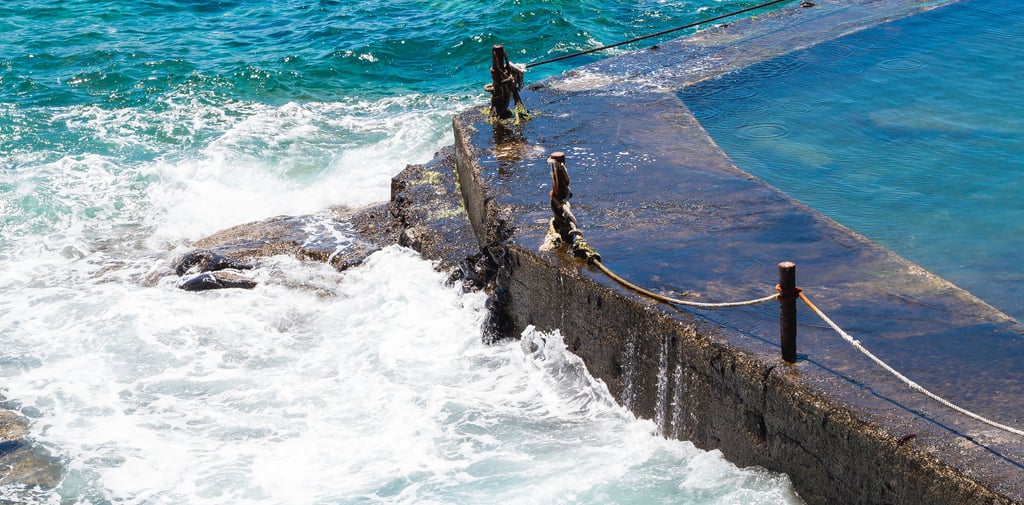
Living on the water in Miami offers a lifestyle that’s hard to match — breathtaking views, easy access to boating, and endless sunshine. But with that coastal beauty comes responsibility. The constant pressure of waves, tides, and saltwater slowly wears down your shoreline defenses. That’s where seawall repairs come in — essential maintenance that keeps your property protected and secure year-round.
A seawall isn’t just a barrier; it’s your home’s first line of defense against erosion and flooding. Over time, natural elements, age, and lack of maintenance can cause damage that weakens its structure. The question most Miami homeowners eventually ask is: does my seawall need repair?
Recognizing the early warning signs is key to preventing costly damage. Below, we’ll explore the most common indicators of seawall distress, what causes them, and when to call professional help.
1. Cracks in the Seawall Surface
Cracks are one of the most common red flags of seawall deterioration. Some start small — hairline fractures that might not seem urgent — but over time, even tiny cracks allow water to seep into the structure. That trapped moisture expands and contracts with temperature changes, worsening the damage.
In Miami’s salty, humid air, corrosion happens fast. Cracked concrete can lead to rusting of internal steel reinforcements, making the wall weaker each year. If these cracks are ignored, pieces of the seawall may eventually break off, creating openings for water to rush through.
What to do: Schedule an inspection with experienced seawall repair contractors as soon as cracks appear. They can use epoxy injections or specialized sealants to stop the water infiltration before it leads to structural failure.
2. Tilting or Leaning Seawall Panels
Another clear warning sign is tilting panels — when sections of the wall appear to lean toward the water or bow outward. This usually indicates that the wall’s tiebacks (steel rods anchored into the soil) are failing.
When tiebacks corrode or break, the seawall loses its ability to resist the immense lateral pressure from both soil and tides. The result? A wall that starts to lean or bulge, a precursor to collapse.
What to do: Don’t wait for the problem to worsen. A marine construction contractor can inspect the tiebacks, replace damaged anchors, and reinforce the structure. Early action prevents a total rebuild, which can be significantly more costly.
3. Soil Settlement Behind the Wall
If you notice uneven ground, sinkholes, or depressions near the seawall, it’s likely due to soil settlement. This occurs when water seeps through small cracks or joints, washing away the soil behind the wall. Over time, the loss of soil creates dangerous voids and can destabilize nearby structures.
This is especially concerning if you have additions like patios, pools, or docks near the water. Even high-end dock and deck construction service areas can shift or crack if the soil beneath them starts disappearing.
What to do: A qualified seawall technician can perform pressure grouting — a process that fills voids behind the seawall with a stabilizing compound. This restores ground support and stops further settlement.
4. Water Seepage and Pooling
If you see puddles forming behind your seawall during low tide or after light rain, you could be dealing with water seepage. This indicates that the seawall joints, weep holes, or seams are compromised, allowing water to pass through when it shouldn’t.
Uncontrolled seepage increases pressure behind the wall and erodes soil faster, eventually causing structural shifts. In some cases, water escaping through the wall may even appear as bubbling or gurgling sounds.
What to do: Contact a professional seawall construction service to assess drainage. They can clean and repair weep holes, reseal joints, or install new filtration systems that relieve pressure while keeping soil intact.
5. Visible Structural Failure
Major structural failure is the most serious indicator that your seawall needs immediate repair. You may see parts of the wall separating, large cracks running vertically, or entire sections collapsing. Once this happens, your property faces direct exposure to erosion and flooding — a risk no Miami homeowner should take lightly.
These failures often result from years of deferred maintenance, corroded anchors, or foundation erosion at the walls base.
What to do: Call licensed seawall repair contractors without delay. They’ll determine whether a section can be rebuilt or if full wall replacement is the safer option. Modern materials like vinyl or composite panels can resist corrosion and extend your seawalls life by decades.
6. Corrosion and Rust Stains
If you spot reddish streaks running down your concrete seawall, that’s rust — and it’s bad news. These stains indicate that the internal steel reinforcement bars (rebar) are corroding. Over time, rust expands inside the concrete, creating more cracks and accelerating decay.
What to do: Have the corroded areas assessed immediately. Depending on the extent, professionals may recommend sealing exposed steel, replacing the affected rebar, or upgrading to corrosion-resistant reinforcements during repair.
7. Erosion at the Wall’s Base
Take a close look where your seawall meets the waterline. If you notice missing soil, cavities, or exposed footings, erosion is likely undermining the structure. This issue is common in Miami due to strong boat wakes, tides, and storm surges.
Without solid footing, the seawall loses its ability to bear weight, eventually leading to tipping or collapse.
What to do: A marine construction contractor can install rock riprap or concrete toe protection to absorb wave energy and prevent future erosion. This also improves shoreline stability and extends the wall’s lifespan.
8. Damage to Connected Structures
Your seawall doesn’t stand alone. If your dock, deck, or boat lift shows signs of movement, it might actually point to underlying seawall damage. Cracked decking, tilting pilings, or uneven boat lifts could be caused by shifting soil behind a compromised seawall.
For instance, uneven boat lift installation may not be an equipment issue at all — it could be a sign the foundation beneath it is settling due to seawall failure.
What to do: Always inspect connected structures during your seawall evaluation. Repairing or replacing a failing seawall can stabilize all surrounding elements and protect your entire waterfront setup.
9. Frequent Minor Repairs or Patches
If you’re constantly patching cracks, filling holes, or dealing with soil erosion every few months, that’s your seawall trying to tell you something. Frequent small repairs usually signal that deeper issues are being overlooked.
Instead of continuing with short-term fixes, have a full inspection done. Reputable seawall construction service providers can assess whether the wall has reached its end of life and recommend sustainable, long-term solutions.
10. Miami Homeowner Seawall Inspection Checklist
To stay proactive, make seawall inspection part of your annual home maintenance routine. Here’s a simple checklist:
Look for visible seawall cracks or missing chunks.
Watch for tilting panels or uneven sections.
Check for water seepage or puddles behind the wall.
Walk along the yard and note any soil settlement or depressions.
Inspect for rust stains, corrosion, or exposed metal.
Examine the base of the wall for erosion or exposed foundations.
Observe attached structures like docks or lifts for movement.
If you notice even one of these signs, schedule a professional assessment. Early detection is the difference between affordable maintenance, and a major rebuild.
Professional Repair and Prevention Options
In Miami’s marine environment, choosing the right experts matters. Licensed seawall repair contractors not only handle repairs but also help you prevent future issues through modern design and materials.
Some homeowners pair their repairs with other upgrades, such as new dock and deck construction service or boat lift installation, ensuring their entire waterfront system works safely together. Others choose to work with a full-service marine construction contractor who can handle every aspect of shoreline protection — from erosion control to complete seawall construction service projects.
These specialists use advanced technologies such as helical anchors, vinyl sheet piling, and composite reinforcements that stand up better to Miami’s saltwater conditions. With expert maintenance, your seawall can last for decades while keeping your property secure.
Why Acting Early Matters
Delaying seawall repair rarely ends well. The cost of minor maintenance is a fraction of what you’d pay for emergency replacement after a collapse. More importantly, a failed seawall can lead to serious safety hazards and environmental damage.
Whether you’re protecting your family home or managing a commercial marina, investing in regular inspections and timely repairs is the smartest decision you can make for your coastal property.
Final Thoughts
Your seawall is your first line of defense against the powerful forces of nature surrounding Miami’s coast. When it shows signs of distress — cracks, tilting, soil settlement, or water seepage — it’s a call for action, not delay.
By addressing these issues early with the help of trusted seawall repair contractors, you safeguard your investment, preserve your shoreline, and ensure your property remains as beautiful and functional as the day it was built.
Frequently asked questions
How often should Miami homeowners inspect their seawalls?
At least once a year, preferably before hurricane season. It’s also wise to inspect after major storms or unusually high tides.
Can small cracks in my seawall be fixed easily?
Yes, small cracks can usually be repaired with epoxy or sealants, but only after a professional determines that no deeper structural issues exist.
What causes seawall panels to tilt?
Panels often tilt due to corrosion or failure of internal tiebacks, excessive hydrostatic pressure, or soil erosion behind the wall.
How long does a typical seawall last in Miami?
Depending on materials and maintenance, most seawalls last 30–50 years. Regular inspection and prompt repairs can extend this lifespan significantly.
Who should I contact for reliable seawall repair or inspection?
Reach out to licensed seawall repair contractors or a marine construction contractor in Miami for a full inspection and custom repair plan.
Services
Expert seawall repair, construction, and inspection services.
Contact
About
786-228-2116
© 2025. All rights reserved.